Памятник Илье Репину
Памятник Илье Репину находится на территории бывшей Манежной площади, ...
Здание Городской управы в городе Чугуев является частью архитектурного ансамбля, который был возведен в 1825-1826 гг. Изначально на территории ансамбля размещались сооружения эскадронной школы, эскадренного комитета, часовня и различные мастерские.
Здание Городской управы в городе Чугуев является частью архитектурного ансамбля, который был возведен в 1825-1826 гг. Изначально на территории ансамбля размещались сооружения эскадронной школы, эскадренного комитета, часовня и различные мастерские.
Здание Городской управы находится на улице Харьковская, 112 в городе Чугуев.


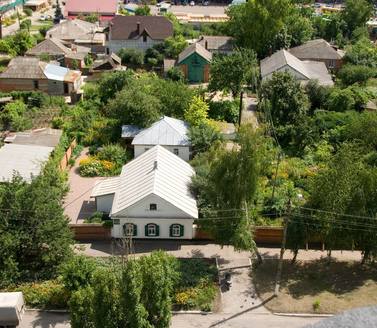
Ансамбль является ярким примером провинциальной архитектурной застройки эпохи классицизма. В него входят несколько сооружений: эскадронная школа, эскадронный комитет, часовня, швейная мастерская и помещение для обучения военных кантонистов.
Строительные работы ансамбля начались в 1825 году, и были завершены через год. Здание возводилось специально для размещения военного поселения.
В 1841 году в здании размещалась полковая канцелярия Чугуевского уланского полка.
В 1857 году указом Российской Империи были отменены военные поселения, что повлияло на назначение архитектурного комплекса, отныне на территории ансамбля размещались: дома полковой канцелярии и полковой церкви.
Только после 1870-х годов здания переходят в управление чугуевской Думы: в них размещаются дома городской управы, городской банк и городская библиотека.
Во времена Октябрьской революции в здании городской управы разворачивались трагические события, так здесь размещались силы юнкерского военного училища, которые были жестоко подавлены и разогнаны.
С приходом к власти Большевиков в здании разместился “Дом пионеров”.
В композиции здания преобладают четкие симметричные линии. Также на главном фасаде использована ордерная система.
На центральном фасаде размещена колоннада, поддерживающая выступающий скат крыши с портиком. По бокам примыкают вестибюли, которые делят здание на две оси.
Во времена Второй Мировой войны здание Городской управы полностью сгорело.
Оно было реконструировано только в семидесятых годах XX века по архивным записям и фотографиям.
Ансамбль является ярким примером провинциальной архитектурной застройки эпохи классицизма. В него входят несколько сооружений: эскадронная школа, эскадронный комитет, часовня, швейная мастерская и помещение для обучения военных кантонистов.
Строительные работы ансамбля начались в 1825 году, и были завершены через год. Здание возводилось специально для размещения военного поселения.
В 1841 году в здании размещалась полковая канцелярия Чугуевского уланского полка.
В 1857 году указом Российской Империи были отменены военные поселения, что повлияло на назначение архитектурного комплекса, отныне на территории ансамбля размещались: дома полковой канцелярии и полковой церкви.
Только после 1870-х годов здания переходят в управление чугуевской Думы: в них размещаются дома городской управы, городской банк и городская библиотека.
Во времена Октябрьской революции в здании городской управы разворачивались трагические события, так здесь размещались силы юнкерского военного училища, которые были жестоко подавлены и разогнаны.
С приходом к власти Большевиков в здании разместился “Дом пионеров”.
В композиции здания преобладают четкие симметричные линии. Также на главном фасаде использована ордерная система.
На центральном фасаде размещена колоннада, поддерживающая выступающий скат крыши с портиком. По бокам примыкают вестибюли, которые делят здание на две оси.
Во времена Второй Мировой войны здание Городской управы полностью сгорело.
Оно было реконструировано только в семидесятых годах XX века по архивным записям и фотографиям.