Ivano-Frankivsk

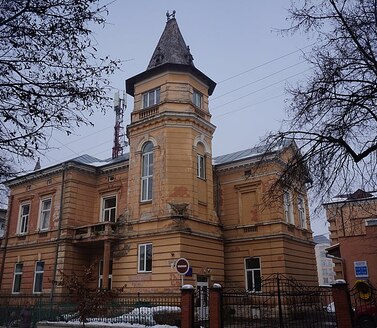
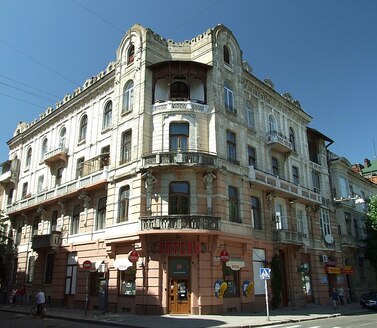
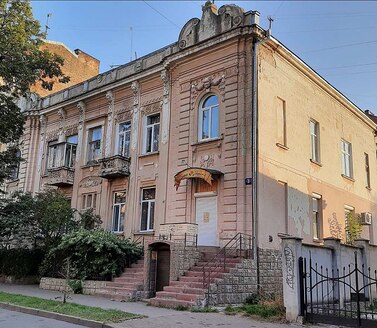
Belvederska Street is the main artery of the ghetto during the Nazi occupation. Entrance/"Gateway"

Description

  • The Stanislavsky ghetto, created on 12/20/1941, was the largest in Prykarpattia.
  • Initially, the ghetto was "open" and had 6 exits/"gates", and from 20.04.1942, when it was closed, only one "gate" operated in this place. More than 4,000 Jews died in the ghetto.

Historically, "the main Jewish world stretched between Halytska and Bystrytsa Solotvynska streets. It was called not only Belvedere...", T. Olshanskyi wrote, noting that until 1939, this district was the place of compact residence of the city's Jewish population. The Nazi occupation regime of the Third Reich, implementing a policy of genocide against Jews, forcibly created ghettos in populated areas (especially near railway stations), with the aim of concentrating Jews for the preparation of further extermination actions on the ground or deportations.

The Stanislav ghetto (officially created on 20.12.1941, liquidated on 23.02.1943) was the largest of the 21st ghettos organized by the Nazis in Prykarpattia, and the only one in the district (after the closure of ghettos in all other settlements on 10.11.1942). Since the fall of 1942, the concentration of specialist Jews from the region took place in the Stanislavsky ghetto, which was transformed into a "yulag".

Historically, "the main Jewish world stretched between Halytska and Bystrytsa Solotvynska streets. It was called not only Belvedere...", T. Olshanskyi wrote, noting that until 1939, this district was the place of compact residence of the city's Jewish population. The Nazi occupation regime of the Third Reich, implementing a policy of genocide against Jews, forcibly created ghettos in populated areas (especially near railway stations), with the aim of concentrating Jews for the preparation of further extermination actions on the ground or deportations.

The Stanislav ghetto (officially created on 20.12.1941, liquidated on 23.02.1943) was the largest of the 21st ghettos organized by the Nazis in Prykarpattia, and the only one in the district (after the closure of ghettos in all other settlements on 10.11.1942). Since the fall of 1942, the concentration of specialist Jews from the region took place in the Stanislavsky ghetto, which was transformed into a "yulag".

How to get there?

And also nearby

HISTORY

  • The Stanislavsky ghetto, created on 12/20/1941, was the largest in Prykarpattia.

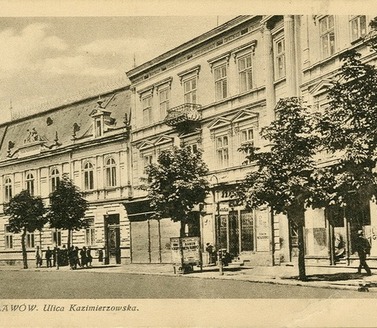
For the ghetto, the occupation authorities set aside a small, cramped territory in the northwestern part of the city called "Belvedere". Thus Belvederska Street became the main artery of the ghetto. Borders of the ghetto: st. Halytska, str. Zedelmayerivska (now Lubomyra Husar), Jewish cemetery. "A two-meter fence was built from the Halytskyi bridge through Shkilna, Petro Skarha, Kollontai streets to Kazimezhovskaya and the windows of the tenement houses on the first and second floors were boarded up. The border separating the ghetto from the city lay there. In the north, the ghetto was closed by Bystrytsia Solotvynska, which was closely guarded on the other bank by the German gendarmerie with dogs. The ghetto occupied a small part, about one sixth of Stanislavov. Within a few days, Poles and Ukrainians were evicted from it, and instead Jews were stuffed there. Much more than could fit there."

To the right of Halytska street were located the so-called "islands". The process of forced resettlement of all the city's Jews (at the time of the occupation, it was more than 30,000) into the ghetto began only after the first mass action on October 12, 1941 (the execution of 7-12 thousand at the Jewish cemetery). The "practical" goal of the Nazis was to reduce the total number of the Jewish population in order to "squeeze" it into the boundaries of the ghetto. From 10/13/1941 to 12/15/1941, Jews who were petrified and barely alive (about 20,000 people) were allowed to live in the "vacated" housing. The ghetto period in the life of the Stanislav Jewish community began. Only those who had a certificate issued by the German authorities or local labor institutions could leave the ghetto. Initially, the ghetto was relatively "open" and had 6 exits, the so-called "gateways" - gates near which police stations were located. From October 1941 to March 1942, constant single but brutal executions took place in the ghetto. According to the recollections of doctor A. Liebesman, 10–15 people died every day.
On March 31, 1942 (on the eve of the Jewish Passover on April 2), the systematic extermination of the city's Jews began. Surrounding the center of the ghetto, 2,300–5,000 people were captured and taken to the mass extermination camp of Belzec Jews. In the ghetto, 30 houses were burned, "throwing grenades into them..., those who did not want to come out of hiding places and basements were killed."
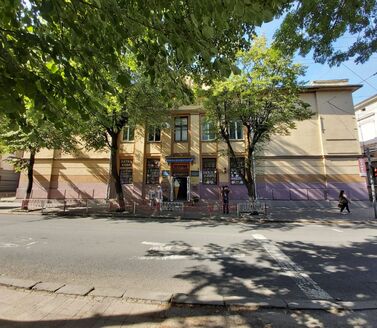
Further reduction of the Jewish population of the ghetto was carried out by the Nazis as part of "actions" to destroy the so-called categories of "unfit for work" and to transform the ghetto first into a closed, and later into a forced labor camp. Before isolating the Jews of Stanislav in the "reduced" ghetto almost in half, in the "death mill" and in the premises of the former Shuzman factory on April 12-19, 1942, about three thousand were murdered. After regular campaigns to exterminate Jews, the territory of the ghetto was cut and reduced. On April 20, 1942, the ghetto was closed. Jews with "B" work reserve cards were settled on "islands" on the street. Halytskyi and Skarhy, who were cut off from the ghetto. After April 20, 1942, "camps" for categories "C" (unfit for work): the "death mill" and the Shuzman factory were located outside the closed ghetto. The closed ghetto already had only one "gateway" at the corner of Belvederska (Zedelmayerivska/Novgorodska/Lyubomyra Huzara) streets, on the site of which this commemorative plaque is installed. There were about 12,000 people in the "new" ghetto. Raids began on those who did not have an "A" card (working).
To "increase the pace" of extermination, the Nazis created a ghetto on St. Mlynarska, Dovga and Halytska "mill of death", "infectious home" and "children's home". "Every morning three trucks were driven into the ghetto. The back side was opened, and people were forced to lie down in the truck. When the car was filled with people, the police pulled up the tarpaulin... The cars were headed outside the city to the already dug pits [in the Jewish cemetery]" (according to M. Privler's recollections). Typhus was spreading in the ghetto, about twenty people died of hunger every day. In the "children's house" on the street Tortured, homeless children were "caringly" settled in Mlynarska. Every 5-7 days, trucks came here, children were thrown into the back of the car from the 2nd floor and taken to the "death camp". With injuries from falls, they were thrown into pits alive. Later, an "infectious disease hospital" and a new camp were opened in this building. After regular checks, the patients were shot right in the yard. This "hospital" actually became a breeding ground for various diseases (disease and typhoid fever, dysentery, etc.). Still healthy people were placed here - mainly Jews from the region, deliberately exposing them to mortal danger, and after the inevitable fatal end, healthy residents of the ghetto were forced to remove the corpses. Hunger raged in the ghetto, and 400-500 people were shot for trying to smuggle sugar and flour into its territory in May-June 1942 alone.
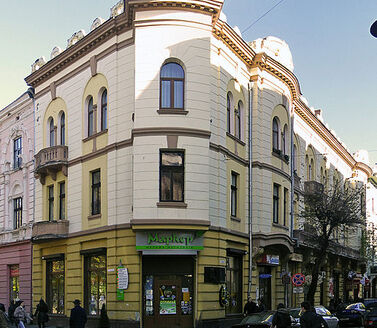
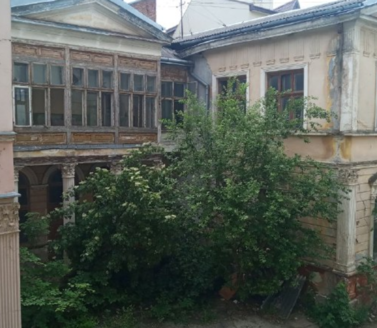
For the ghetto, the occupation authorities set aside a small, cramped territory in the northwestern part of the city called "Belvedere". Thus Belvederska Street became the main artery of the ghetto. Borders of the ghetto: st. Halytska, str. Zedelmayerivska (now Lubomyra Husar), Jewish cemetery. "A two-meter fence was built from the Halytskyi bridge through Shkilna, Petro Skarha, Kollontai streets to Kazimezhovskaya and the windows of the tenement houses on the first and second floors were boarded up. The border separating the ghetto from the city lay there. In the north, the ghetto was closed by Bystrytsia Solotvynska, which was closely guarded on the other bank by the German gendarmerie with dogs. The ghetto occupied a small part, about one sixth of Stanislavov. Within a few days, Poles and Ukrainians were evicted from it, and instead Jews were stuffed there. Much more than could fit there."

To the right of Halytska street were located the so-called "islands". The process of forced resettlement of all the city's Jews (at the time of the occupation, it was more than 30,000) into the ghetto began only after the first mass action on October 12, 1941 (the execution of 7-12 thousand at the Jewish cemetery). The "practical" goal of the Nazis was to reduce the total number of the Jewish population in order to "squeeze" it into the boundaries of the ghetto. From 10/13/1941 to 12/15/1941, Jews who were petrified and barely alive (about 20,000 people) were allowed to live in the "vacated" housing. The ghetto period in the life of the Stanislav Jewish community began. Only those who had a certificate issued by the German authorities or local labor institutions could leave the ghetto. Initially, the ghetto was relatively "open" and had 6 exits, the so-called "gateways" - gates near which police stations were located. From October 1941 to March 1942, constant single but brutal executions took place in the ghetto. According to the recollections of doctor A. Liebesman, 10–15 people died every day.
On March 31, 1942 (on the eve of the Jewish Passover on April 2), the systematic extermination of the city's Jews began. Surrounding the center of the ghetto, 2,300–5,000 people were captured and taken to the mass extermination camp of Belzec Jews. In the ghetto, 30 houses were burned, "throwing grenades into them..., those who did not want to come out of hiding places and basements were killed."
Further reduction of the Jewish population of the ghetto was carried out by the Nazis as part of "actions" to destroy the so-called categories of "unfit for work" and to transform the ghetto first into a closed, and later into a forced labor camp. Before isolating the Jews of Stanislav in the "reduced" ghetto almost in half, in the "death mill" and in the premises of the former Shuzman factory on April 12-19, 1942, about three thousand were murdered. After regular campaigns to exterminate Jews, the territory of the ghetto was cut and reduced. On April 20, 1942, the ghetto was closed. Jews with "B" work reserve cards were settled on "islands" on the street. Halytskyi and Skarhy, who were cut off from the ghetto. After April 20, 1942, "camps" for categories "C" (unfit for work): the "death mill" and the Shuzman factory were located outside the closed ghetto. The closed ghetto already had only one "gateway" at the corner of Belvederska (Zedelmayerivska/Novgorodska/Lyubomyra Huzara) streets, on the site of which this commemorative plaque is installed. There were about 12,000 people in the "new" ghetto. Raids began on those who did not have an "A" card (working).
To "increase the pace" of extermination, the Nazis created a ghetto on St. Mlynarska, Dovga and Halytska "mill of death", "infectious home" and "children's home". "Every morning three trucks were driven into the ghetto. The back side was opened, and people were forced to lie down in the truck. When the car was filled with people, the police pulled up the tarpaulin... The cars were headed outside the city to the already dug pits [in the Jewish cemetery]" (according to M. Privler's recollections). Typhus was spreading in the ghetto, about twenty people died of hunger every day. In the "children's house" on the street Tortured, homeless children were "caringly" settled in Mlynarska. Every 5-7 days, trucks came here, children were thrown into the back of the car from the 2nd floor and taken to the "death camp". With injuries from falls, they were thrown into pits alive. Later, an "infectious disease hospital" and a new camp were opened in this building. After regular checks, the patients were shot right in the yard. This "hospital" actually became a breeding ground for various diseases (disease and typhoid fever, dysentery, etc.). Still healthy people were placed here - mainly Jews from the region, deliberately exposing them to mortal danger, and after the inevitable fatal end, healthy residents of the ghetto were forced to remove the corpses. Hunger raged in the ghetto, and 400-500 people were shot for trying to smuggle sugar and flour into its territory in May-June 1942 alone.
INTERESTING FACTS

  • The Stanislav ghetto, created on December 20, 1941, was the largest in Prykarpattia.
  • The existence of long-term ghettos, such as Stanislavske, forced labor camps for Jews, deportation of Jews to mass extermination camps (which were created by the Nazis in the occupied Polish territories - in Belzec, Lublin District, etc.) - are characteristic features of the Holocaust in Galicia, which testify that that the plan for a quick "final solution of the Jewish question" failed on the ground.
  • The Stanislav ghetto, created on December 20, 1941, was the largest in Prykarpattia.
  • The existence of long-term ghettos, such as Stanislavske, forced labor camps for Jews, deportation of Jews to mass extermination camps (which were created by the Nazis in the occupied Polish territories - in Belzec, Lublin District, etc.) - are characteristic features of the Holocaust in Galicia, which testify that that the plan for a quick "final solution of the Jewish question" failed on the ground.